A Comprehensive Guide to Church Insurance: Shielding Your Sanctuary
September 18, 2023
When we think about places of worship, we often picture serene settings, spiritual gatherings, and a sense of community. However, like any other organization, churches face risks and uncertainties that require careful consideration. This is where church insurance coverage comes into play. Church insurance is a vital tool that helps safeguard not only the physical structure of a church but also its financial stability, ensuring that the religious community can continue to thrive and serve its members effectively.
Things to Remember While Purchasing Church Insurance
Investing in church insurance is a significant decision that requires careful planning and attention to detail. Here are some crucial factors to keep in mind when purchasing church insurance:
Assess Your Church's Unique Needs:
Every church is unique, and its insurance requirements may vary accordingly. Consider factors such as the size of your congregation, the value of your property, and the types of activities and services you offer. A larger church with a daycare center and multiple programs may have different needs compared to a smaller, traditional church.

Choose a Reputable Insurance Provider:
Research and select a reputable insurance company with experience in providing coverage for religious organizations. Look for insurers with a strong track record of supporting churches and places of worship. You can seek recommendations from other churches in your network or consult with insurance brokers who specialize in church insurance.
Understand Coverage Options:
Familiarize yourself with the various coverage options available. This will help you tailor your insurance policy to meet your church's specific needs. The three primary types of church insurance coverage are:
-
Commercial Church insurance
-
General Liability Insurance
- Worker Compensation Insurance
Defining Types of Church Insurance Coverage
Insurance for a church typically encompasses several types of coverage, each serving a distinct purpose. Here are some of the most common types:
Commercial Church Insurance:
This comprehensive policy combines various coverages, including property insurance, liability insurance, and more, into a single package. It provides broad protection for your church's physical assets, such as buildings and contents, as well as coverage for potential liability claims. Commercial church insurance offers convenience by bundling multiple coverages into one policy, simplifying the insurance process for churches.
General Liability Insurance:
General liability insurance is essential for any organization, including churches. It protects against claims of bodily injury or property damage that may occur on your church premises or during church-sponsored events. For instance, if someone slips and falls in your church's parking lot or is injured during a church event, this coverage can provide financial protection. Additionally, general liability insurance can cover legal expenses if your church faces a lawsuit related to such incidents.
Worker Compensation Insurance:
If your church employs paid staff or relies on volunteers, worker compensation insurance is crucial. This coverage is designed to provide financial support to employees or volunteers who sustain injuries while performing church-related duties. It can cover medical expenses, rehabilitation costs, and a portion of lost wages. Worker compensation insurance not only helps injured workers but also protects your church from potential lawsuits stemming from workplace injuries.
Insurance Claims for Church Insurance
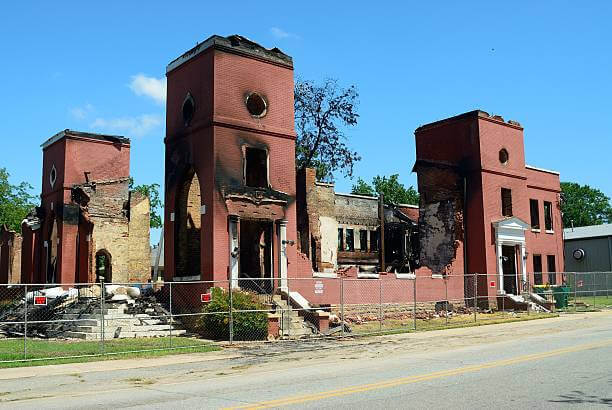
When a church faces unforeseen circumstances, such as property damage, accidents, or lawsuits, the insurance claims process becomes pivotal. Here's what you need to know:
Prompt Reporting:
In the event of a loss or incident, it's essential to report the matter to your insurance provider promptly. Timely reporting ensures that the claims process begins smoothly. Insurance companies often have specific deadlines for reporting claims, so be sure to adhere to them.
Document Everything:
Keep thorough records of the incident, including photographs, witness statements, and any relevant documents. This documentation will be crucial when filing a claim. Accurate and detailed documentation can expedite the claims process and help in the assessment of damages or liabilities.
Work Closely with Your Insurer:
Your insurance company will guide you through the claims process. Be sure to communicate openly and provide all requested information to expedite the resolution. Understand the terms and conditions of your insurance policy, including deductibles, coverage limits, and any specific requirements for claims reporting.
Claim Settlement:
Once the claim is evaluated, your insurer will determine the appropriate settlement. This may include repairs, replacements, or compensation for liability claims. It's essential to review the settlement offer carefully and ensure it aligns with your policy's coverage. If you have any concerns or questions about the settlement, discuss them with your insurance adjuster or broker.
Claims Management Assistance:
Some insurance providers offer claims management services, helping you navigate the process more effectively. These services can include coordinating repairs, overseeing property restoration, and providing guidance on legal matters if your church faces liability claims.
Conclusion
Church insurance is a vital resource that helps protect the spiritual homes of countless communities. It ensures that churches can continue their mission and serve their members even in the face of unexpected challenges. To make the most of your church insurance, assess your church's unique needs, choose a reputable insurance provider, and understand the various coverage options available.
By securing the right insurance coverage and being well-prepared for potential claims, your church can continue to thrive, providing spiritual guidance, support, and a sense of belonging to its members for years to come. Remember, while faith may move mountains, a well-structured church insurance policy can help ensure that your church's financial foundation remains strong.
So, take the necessary steps to protect your church, its members, and its mission with the right insurance coverage. In doing so, you'll provide peace of mind to your congregation and ensure that your place of worship remains a pillar of strength in your community.